
I Wish I Knew Before Moving to Phnom Penh
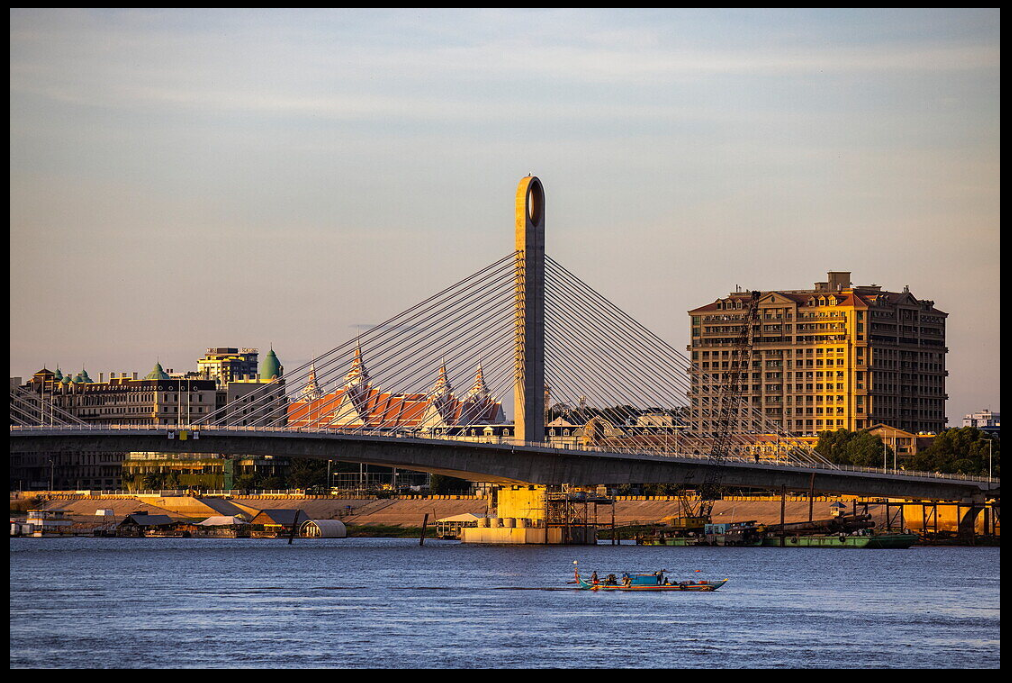
8 Things I Wish I Knew Before Moving to Phnom Penh
By Charlotte — Your Guide to Cambodia Real Estate
I’ve helped hundreds of expats find homes in Phnom Penh. And every single one of them said the same thing: “I wish someone told me this before I arrived.”
So here it is. Everything I tell my clients before they sign anything. Because moving to Phnom Penh can be incredible. Or it can be a nightmare. The difference is knowing these eight things.
1 — The Neighbourhood Map Is Lying to You
If you Google “best neighbourhood Phnom Penh expat,” BKK1 comes up every time. It’s central, walkable, and packed with western restaurants. And for a lot of people — it’s the wrong answer.
A one-bedroom in BKK1 runs $550 to $800 a month. But head fifteen minutes north to Toul Kork and the same money gets you a two-bedroom with a balcony and actual parking. The developer quality is often higher too — newer builds, better insulation, sometimes even a real kitchen.
My advice: don’t pick your neighbourhood from Google Maps. Come here first. Stay in a serviced apartment for two weeks. Visit four or five areas. Because the neighbourhood that looks “central” on a map might not be where your actual life happens.
And here’s something nobody says out loud: your neighbourhood determines your entire social experience. Live in BKK1, you’ll meet expats at every coffee shop. Live further out, you’ll know your neighbours by name, speak more Khmer, and your money will go about 30% further.
There’s no wrong answer. But there’s definitely a wrong answer for you.
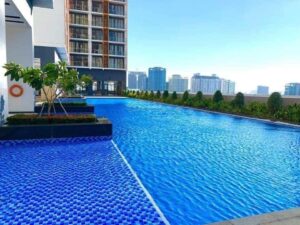
2 — The Rent Is Never the Rent
People message me all the time: “Charlotte, I found a place online for $400. Can you help me get it?”
I always say the same thing: great. Let me show you what the $400 apartment actually costs.
Here’s the real breakdown:
- One month deposit — standard anywhere
- Two months deposit — if you’re a foreigner without a local guarantor
- Utility deposit — $200 to $300 depending on the building
- Maintenance fees — some condos charge $40 to $80 a month, not in the listing
- Furnishing — some landlords quote the price without furniture. You show up expecting a bed, a sofa, a fridge. You get four walls and hope.
That $400 apartment? Your realistic all-in move-in cost is closer to $1,400 to $1,800. And your actual monthly — once you add real bills to that $400 rent — we’ll get to that.
This isn’t to scare you. It’s so you don’t arrive here and run out of money in month one. I’ve seen it happen.
3 — Yes, Foreigners Can Buy Property (But Not How You Think)
This is the question I get more than anything else: “Can I even own property in Cambodia?”
The short answer: yes.
The real answer: yes, but you need to understand how.
Foreigners cannot own land. That’s the law. But you CAN own a condo unit outright through a strata title — registered in your name, fully yours. You can also lease land long-term — 15, 25, or 50-year leases are common. And if you want a house with land, trust structures exist. A Cambodian trust holds the land; you hold the trust. It’s legal, tested, and I’ve helped clients set them up.
But here’s what I wish more people understood: just because you can buy doesn’t mean you should. If you’ve been here less than six months, rent first. Always. Learn the neighbourhoods. Learn which developers deliver on time — because some don’t. Learn how the resale market works — because it’s different here.
The biggest mistake I see? Foreigners buying a pre-construction unit from a developer they’ve never heard of, in an area they’ve barely visited, shocked when handover is two years late.
Take your time. Cambodia isn’t going anywhere.
4 — The “Expat Areas” Aren’t Real Life
There’s this idea that expats live in one zone and locals in another. And if you spend your first month only in BKK1 and Riverside, you might believe it.
But the real question is: do you want to live in a Cambodia that feels like a slightly warmer version of home? Or do you want to live in Cambodia?
Neither is wrong. But you should decide consciously. The expat who lives near Russian Market, shops at the local wet market, and learns enough Khmer to negotiate rent has a completely different experience than the expat who orders GrabFood three times a day and never leaves their building.
And from a property perspective, this matters. If you’re only looking where other foreigners are buying, you’re competing with other foreigners. But if you understand where the local market is moving — that’s where you find real value.

5 — You Need an Agent More Than You Need a Good Deal
This one is personal, because I’ve seen what happens when people try to go it alone.
Cambodia’s property market is not like the West. There’s no Zillow. Listings aren’t centralized. The same apartment can be listed at three different prices by three different agents — and sometimes none of those prices match what the landlord actually wants.
A good agent does more than open doors. They know which buildings flood in rainy season. They know which developers have lawsuits pending. They know which landlords fix the AC and which ones ghost you for six months.
And here’s the thing about the deal itself: the best deal isn’t the lowest price. It’s the place where the landlord is responsive, the contract is clear, and you’re not dealing with a headache in month three. I’ve seen people save $50 a month on rent and then spend $500 fixing problems a good agent would have flagged.
Work with someone. Ideally someone recommended by another expat. Someone who’ll say “don’t rent this one” even if it costs them a commission.
6 — Your Electricity Bill Will Shock You
Not the traffic. Not the heat. The electricity bill.
Most apartments here use individual AC units — not central air. And if you’re coming from a country where electricity is cheap, prepare yourself.
In a one-bedroom — running AC at night, perhaps during the day if you work from home — expect $80 to $150 a month. In the hot season, it climbs higher. In older buildings with less efficient units, it climbs even more.
The fix: look for newer buildings with inverter AC units. Ask about the electricity rate before signing — some landlords charge the government rate, some mark it up. And if you’re building or renovating, invest in good insulation. You’ll make the money back in year one.
This is not a reason to not move here. It’s a reason to budget properly.
7 — Renting vs Buying: The Math Nobody Does
Let’s actually do the numbers.
A decent one-bedroom in BKK1 rents for around $650 a month.
- That’s $7,800 a year
- Over three years: $23,400
A similar one-bedroom to buy runs $100,000 to $120,000 — plus transfer fees, furnishing, and ongoing maintenance. And when you want to sell, the resale market here is still developing. It’s not as liquid as a Western market.
If you’re staying five years or more and buy in the right building at the right price, buying can absolutely make sense — especially if rental yields hold. But if you’re here for two or three years and unsure? Rent. The flexibility is worth more than the theoretical equity.
This is not anti-buying advice. I sell property. I want people to buy. But I want them to buy when it actually makes sense.

8 — You’ll Either Love It or Leave in Six Months
After years of watching expats come and go, I’ve noticed patterns.
The people who stay share a few things:
They don’t compare everything to back home. They accept that some things are different — the pace, the bureaucracy, the way business works — and they adapt instead of fighting it.
They build relationships with Cambodians, not just other expats. Their landlord. Their neighbours. The lady at the market who saves them the good mangoes.
And they have a reason to be here beyond “it’s cheap.” Because cheap gets old. But purpose? Community? Actually feeling at home? That lasts.
A lot of people arrive thinking Cambodia is an easy place. It is not an easy place. But it can be an amazing place. The question is whether it’s your place.
Thinking of Making the Move?
Charlotte – Property Consultant in Phnom Penh
I help local and international buyers navigate Cambodia’s real estate market, with a focus on BKK1, prime condominiums, and lifestyle-focused property selection.
If you’re considering a move to Phnom Penh or looking for investment opportunities, feel free to contact me for personalized advice.