
Phnom Penh Condo Prices by District — BKK1 vs BKK3 vs Toul Kork vs Chroy Changvar (2026)
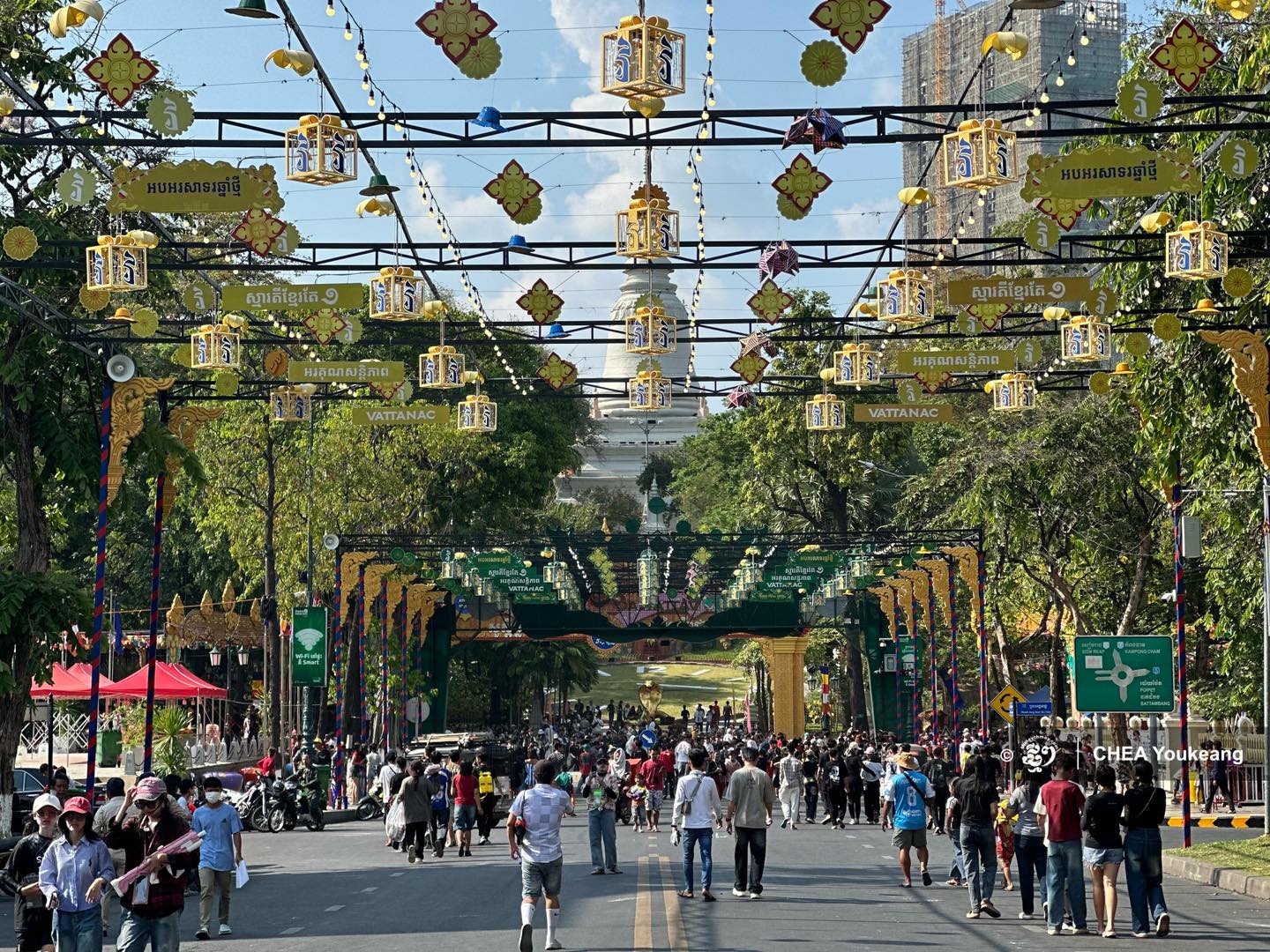
Phnom Penh Condo Prices by District — BKK1 vs BKK3 vs Toul Kork vs Chroy Changvar (2026)
By Charlotte — Property Consultant, Phnom Penh, Cambodia
If you’re looking to buy a condo in Phnom Penh in 2026, the question every investor asks me is the same: “Which district gives me the best value?”
The answer depends on your budget, your goal (rental income vs. capital appreciation vs. own use), and how much risk you’re willing to take. In this guide, I’ll break down the four most talked-about districts — BKK1, BKK3, Toul Kork, and Chroy Changvar — with real price-per-square-metre data, rental yield estimates, and the honest pros and cons of each.
1. BKK1 — The Premium Core
Price: $2,800–$3,800/sqm | Studio from ~$90,000
BKK1 (Boeung Keng Kang 1) is the undisputed centre of expat life in Phnom Penh. Embassies, international schools, rooftop bars, and the city’s best restaurants are all within walking distance. It’s where NGO directors, diplomats, and senior expats want to live — and they’re willing to pay for it.
What you get for your money: A 35 sqm studio in a newly completed BKK1 condominium runs approximately $100,000–$130,000. A one-bedroom (50–60 sqm) typically lands between $150,000 and $200,000.
Rental yields: Gross yields sit at 5–7%. Net yields, after property management fees (10–15% of rent), common area charges (~$1.50/sqm/month), and the 10% rental withholding tax, settle around 5.0–5.5%.
Who rents here: Expats, NGO workers, embassy staff — tenants with stable incomes who rarely default.
The catch: You pay a 30–50% premium over BKK3 or Toul Kork for the same square metres. Parking is notoriously difficult. And at these entry prices, capital appreciation is slower — the premium is already priced in.
Best for: Investors seeking stable, dollar-denominated rental income with lower tenant turnover. Not ideal for short-term flipping.
2. BKK3 — The Value Neighbor
Price: $1,800–$2,500/sqm | Studio from ~$65,000
BKK3 sits directly adjacent to BKK1 but trades at a meaningful discount — roughly 30–40% less per square metre. The neighbourhood shares much of the same infrastructure: international cafés, grocery stores, and easy access to the BKK1 core in 5–10 minutes by tuk-tuk.
BKK3 has seen a wave of mid-range condo developments over the last 3–4 years, many targeting young Cambodian professionals and budget-conscious expats.
What you get: A 35–40 sqm studio at $65,000–$85,000. One-bedroom units (45–55 sqm) range from $90,000 to $130,000.
Rental yields: Gross yields of 6.5–8.5%, driven by lower entry prices and solid rental demand. The tenant pool overlaps with BKK1’s but skews slightly more toward local professionals and younger expats.
The catch: The area is less polished — narrower streets, more construction noise, fewer high-end amenities. Secondary market liquidity is moderate; selling takes patience.
Best for: The yield-focused investor who wants BKK1 proximity without the BKK1 premium. Also a strong entry point for first-time foreign buyers.
3. Toul Kork — The Rising Residential Hub
Price: $1,400–$1,800/sqm | Studio from ~$55,000
Toul Kork has transformed from a quiet residential suburb into Phnom Penh’s fastest-growing middle-class district. It’s especially popular with the Cambodian middle class and a sizeable Korean expatriate community, drawn by wider streets, newer developments, and a growing selection of cafés, supermarkets, and international schools.
What you get: A 35–40 sqm studio at $55,000–$70,000. A two-bedroom unit of 55–65 sqm runs $75,000–$95,000 — roughly half what you’d pay in BKK1.
Rental yields: This is where the numbers get interesting. Gross yields reach 7–9%, the highest of the four districts. At $650/month rent on an $85,000 two-bedroom, you’re looking at a net yield of approximately 5.7% after all costs.
Real example (from Varsovia Estate, June 2026):
- Purchase price: $85,000 (60 sqm at $1,417/sqm)
- Transaction costs (4% transfer tax + legal): ~$4,200
- Total capital deployed: ~$89,200
- Gross rent: $650/month × 12 = $7,800/year
- Annual costs (management, common fees, tax): ~$2,700
- Net income: $5,100 → 5.7% net yield
The catch: Secondary market liquidity is low to moderate — selling a Toul Kork unit can take 6–12 months. The area is still developing, and not every project is created equal. Developer quality matters enormously here.
Best for: The income-focused investor who prioritizes yield over prestige. Also strong for Cambodian middle-class tenants — lower turnover, fewer vacancies.
4. Chroy Changvar — The Affordable Frontier
Price: $1,200–$1,600/sqm | Studio from ~$45,000
Chroy Changvar is the peninsula across the Tonle Sap River, connected to the city centre by the Chroy Changvar Bridge (and the newer Sokha Bridge). Once a sleepy area, it has seen a wave of condo development targeting young professionals and first-time buyers who are priced out of the city centre.
What you get: The lowest entry point of the four — a studio can be had for $45,000–$55,000. One-bedroom units start around $65,000.
Rental yields: Gross yields of 6–8%. However, occupancy rates are less reliable than BKK1 or Toul Kork — the tenant pool is thinner.
The catch: Liquidity is the lowest of the four districts. Selling a unit can take 12–18 months, and the achievable price is often 10–15% below initial expectations. The area still feels semi-suburban. Infrastructure — restaurants, entertainment, international schools — is improving but lags significantly behind the other three districts. An expressway now connects Chroy Changvar to the city centre more easily, but the “bridge commute” remains a psychological barrier for some tenants.
Best for: Budget-first buyers and long-term investors betting on infrastructure appreciation. Not recommended for short-term flips or investors who need exit flexibility.
Side-by-Side Comparison (2026)
| Metric | BKK1 | BKK3 | Toul Kork | Chroy Changvar |
|---|---|---|---|---|
| Price/sqm | $2,800–$3,800 | $1,800–$2,500 | $1,400–$1,800 | $1,200–$1,600 |
| Studio from | ~$90,000 | ~$65,000 | ~$55,000 | ~$45,000 |
| 2BR from | ~$180,000 | ~$120,000 | ~$75,000 | ~$70,000 |
| Gross rental yield | 5–7% | 6.5–8.5% | 7–9% | 6–8% |
| Net yield (approx.) | 4.0–5.5% | 5.0–6.5% | 5.5–7.0% | 4.5–6.0% |
| Tenant profile | Expats, diplomats, NGO | Young pros, budget expats | Cambodian middle class, Koreans | Young professionals |
| Secondary market liquidity | Moderate | Low–moderate | Low–moderate | Low |
| Foreign ownership | Yes (condo, 1st floor+) | Yes (condo, 1st floor+) | Yes (condo, 1st floor+) | Yes (condo, 1st floor+) |
Which District Is Right for You?
Choose BKK1 if: You want the safest bet. Stable tenants, dollar income, prestige address. Accept lower yields in exchange for lower vacancy risk.
Choose BKK3 if: You want BKK1’s location at a 30–40% discount. You’re comfortable with a slightly rougher neighbourhood in exchange for better yields.
Choose Toul Kork if: Yield is your priority. You believe in the Cambodian middle-class growth story. You’re targeting long-term rental income, not a quick flip.
Choose Chroy Changvar if: You’re budget-constrained and playing the long game. You believe infrastructure improvements (bridges, expressways, commercial development) will eventually close the price gap with central districts.
Risks to Keep in Mind
-
Secondary market liquidity is thin across all four districts. Selling a condo in Phnom Penh can take 6–18 months. Always define your exit before you enter.
-
Developer quality varies significantly. Cambodia has no developer guarantee fund. If a developer goes insolvent, your instalments are at risk. Only buy from developers with a proven delivery track record.
-
Oversupply in the luxury segment. Knight Frank Cambodia reported vacancy rates exceeding 30% in luxury projects at the end of 2024. The mid-range ($1,400–$2,000/sqm) is healthier, but selectivity matters.
-
Currency exposure. Transactions are in USD — great for dollar-based investors, but if your home currency isn’t USD, you carry exchange rate risk.
-
Foreign ownership is limited to condos from the first floor upward. You cannot own land in Cambodia. Stick to hard-title condominium units — leasehold structures and nominee company arrangements add legal complexity.
Final Word
Phnom Penh’s condo market in 2026 is not a speculative gold rush — and that’s a good thing. It’s a maturing market where smart investors can earn 5–7% net yields in US dollars, in a city of 2.4 million people growing at 3.5% annually.
The district you choose should match your strategy. BKK1 for stability. Toul Kork for yield. BKK3 for the compromise. Chroy Changvar for the long bet.
If you have questions about any of these districts — or want me to walk you through specific projects in person — don’t hesitate to reach out.
I’m Charlotte, a property consultant in Cambodia, and I’m here to help you make an informed decision.